Story is not a tool. It's the foundation.
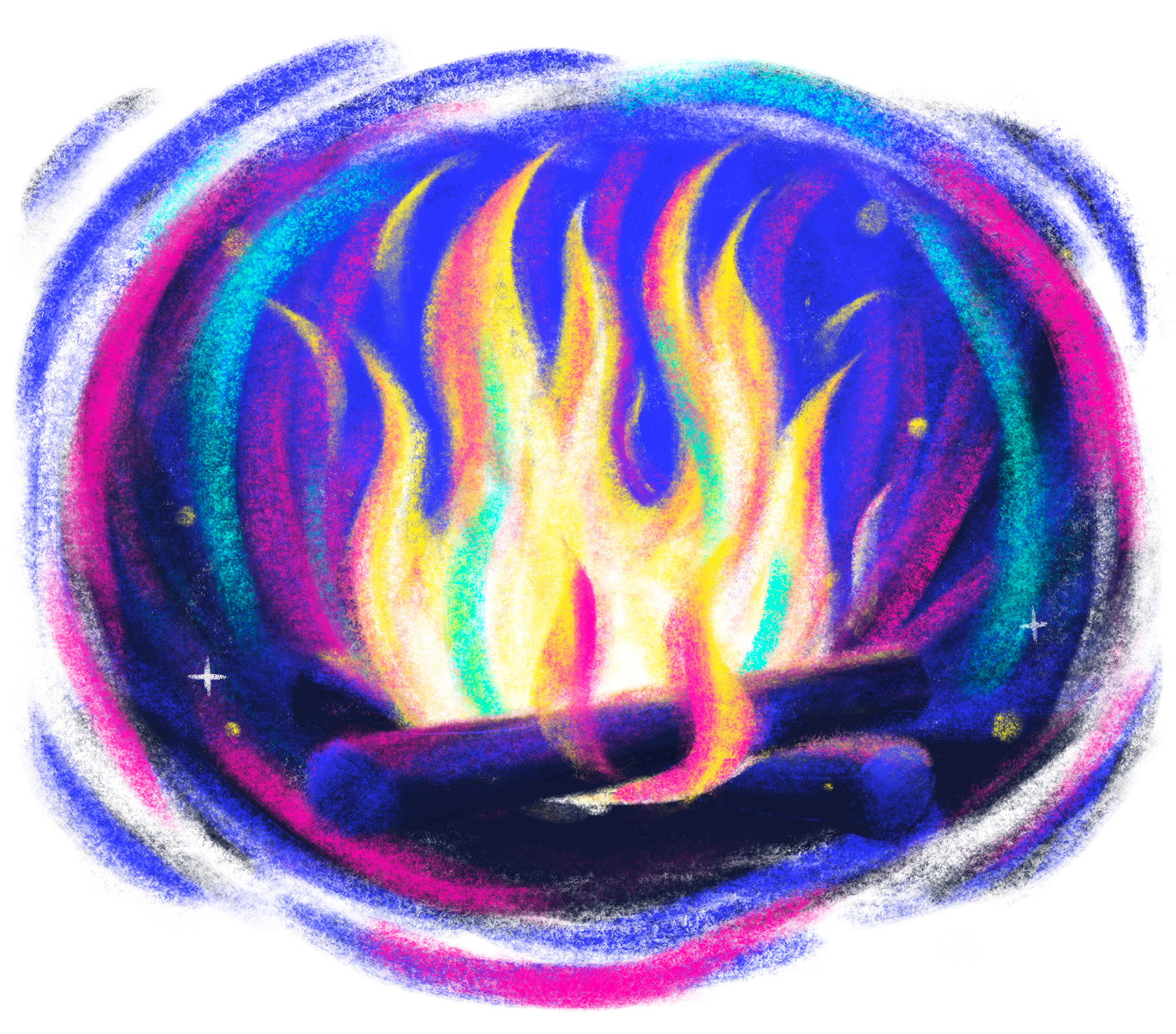
We are wired for stories. Not as entertainment. As survival. They are how we make sense of the world and our place within it. We gathered around fire to listen. Long before language had a name for itself, we were already building shared reality through narrative.
Storytelling didn't enter human life through culture. It preceded culture.
It's the mechanism by which we interpret the world, form belief systems, decide who to trust and feel where we belong. Nations, religions, movements, brands, they don't exist around stories.
They exist because of them.
And if systems are built on stories, real change is never only structural or technological. It is narrative and deeply cultural. Every belief system runs on a story about what is sacred, what is inevitable and what we are allowed to imagine.
Information makes people think. Story makes people act.
A story doesn't just reach the mind. It enters the body. Data justifies a decision, but story creates the desire to make it. The right story, told the right way, moves people from awareness to action.
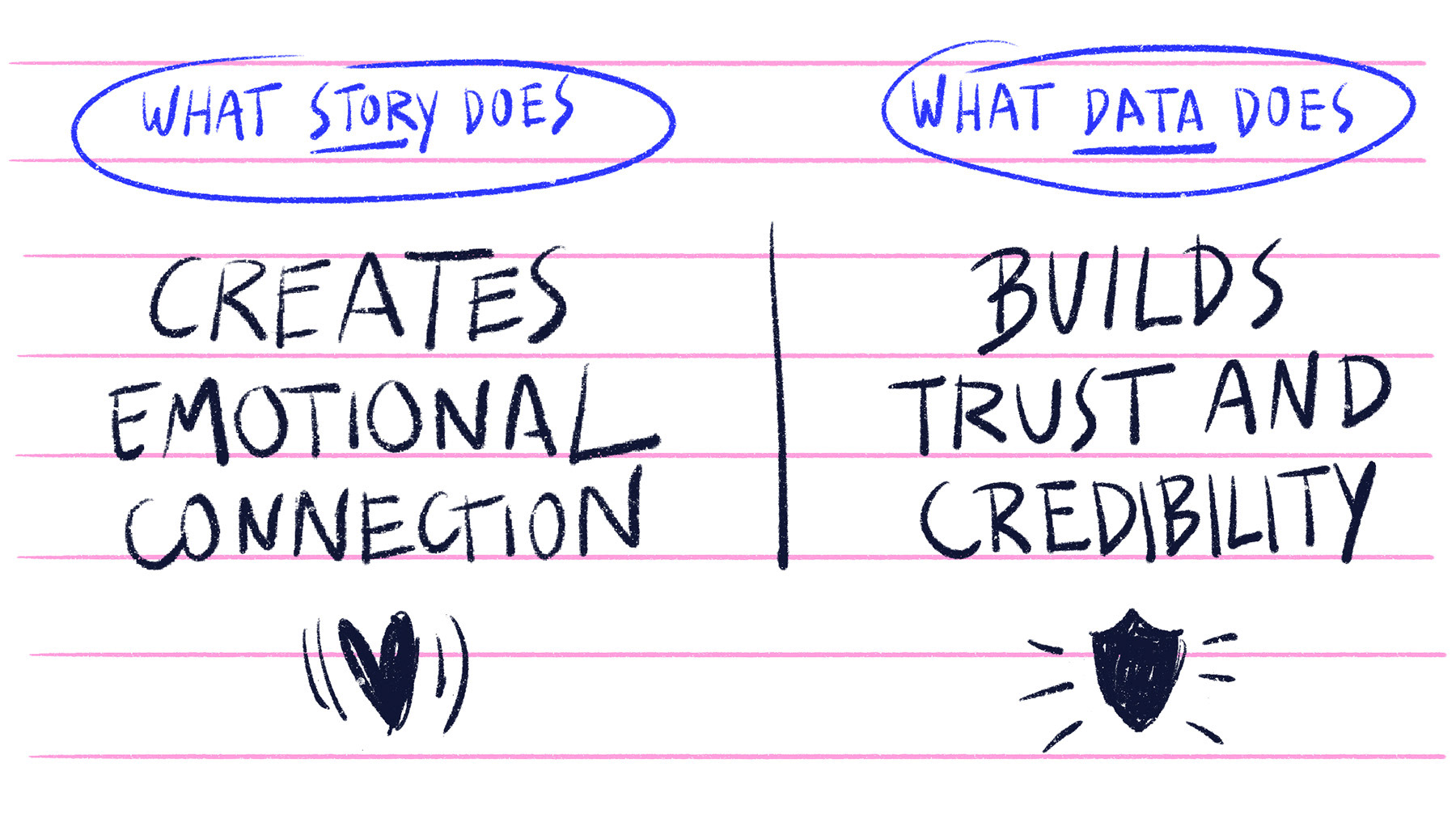
You've done the work. The numbers are real. The trust is earned.
The impact is unquestionable, but when story fails, none of it travels. Evidence without narrative stays in the room.
The clearest communication isn't only informative. It's emotionally legible. People don't connect with information because it's accurate.
The clearest communication isn't only informative. It's emotionally legible. People don't connect with information because it's accurate.
They connect because they understand why it matters to them.
Clarity is not simplification. It's removing the distance between a mission and the people it's trying to reach.
Story got there first. It always does.
Clarity is not simplification. It's removing the distance between a mission and the people it's trying to reach.
Story got there first. It always does.
Dopamine sparks motivation, oxytocin builds trust, endorphins provide comfort. A story doesn't just reach the mind. It moves through the body.
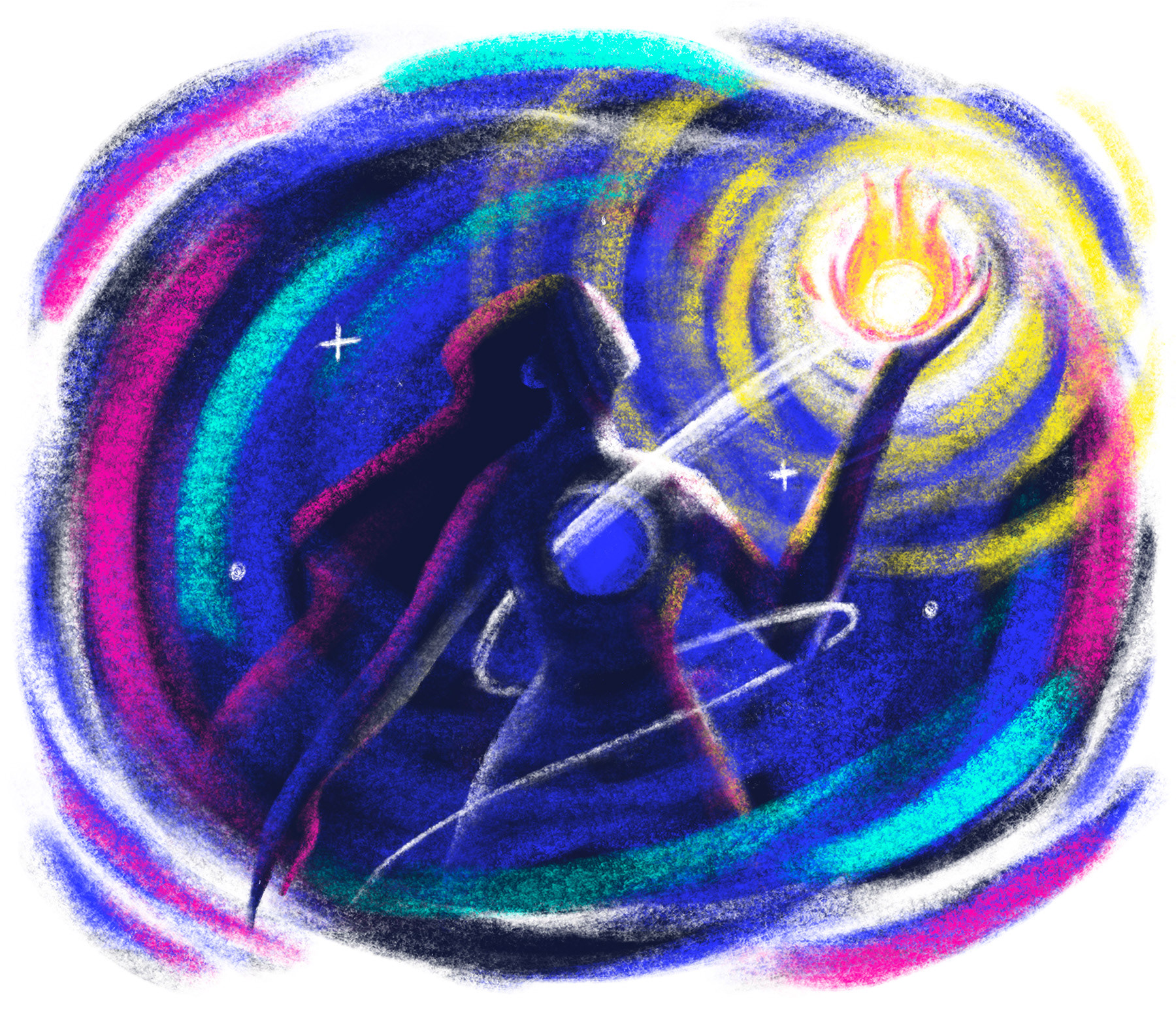
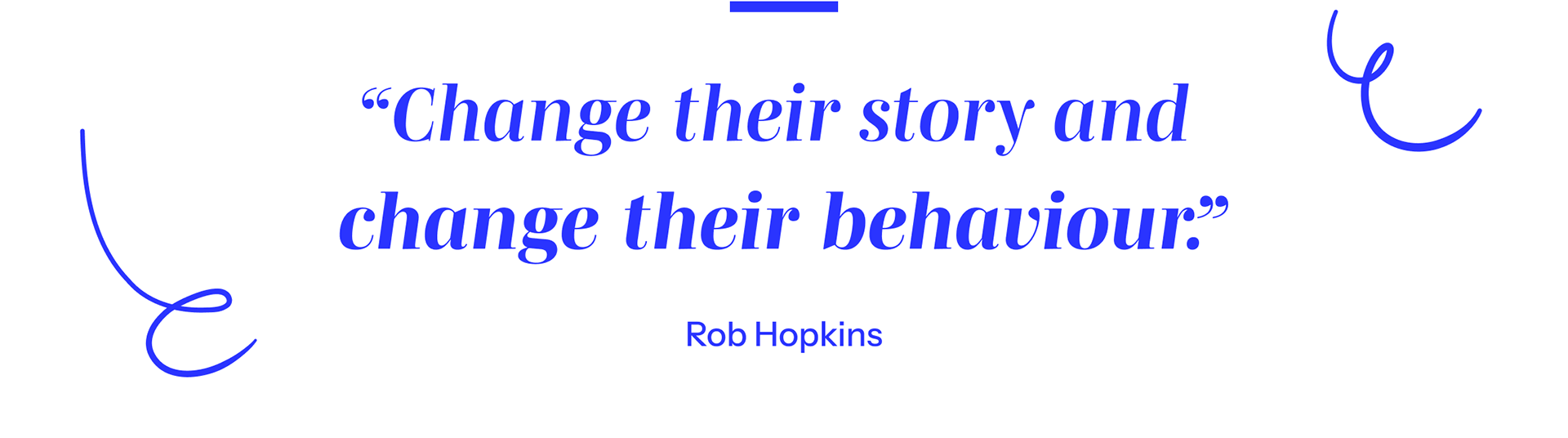
The goal isn't awareness. It's belonging.
Belonging is not built through information. It's built through identification. People engage when they recognise themselves inside the story. That's the moment an audience stops observing and starts feeling part of something larger than themselves.
Psychologists call this "projective attention". The state where an audience stops watching a character and starts inhabiting one. It's the only form of attention that fully dissolves the distance between teller and listener.
The brain doesn't distinguish clearly between a lived experience and a powerfully told one. When a story reaches us, something specific happens. We stop being observers and become participants.
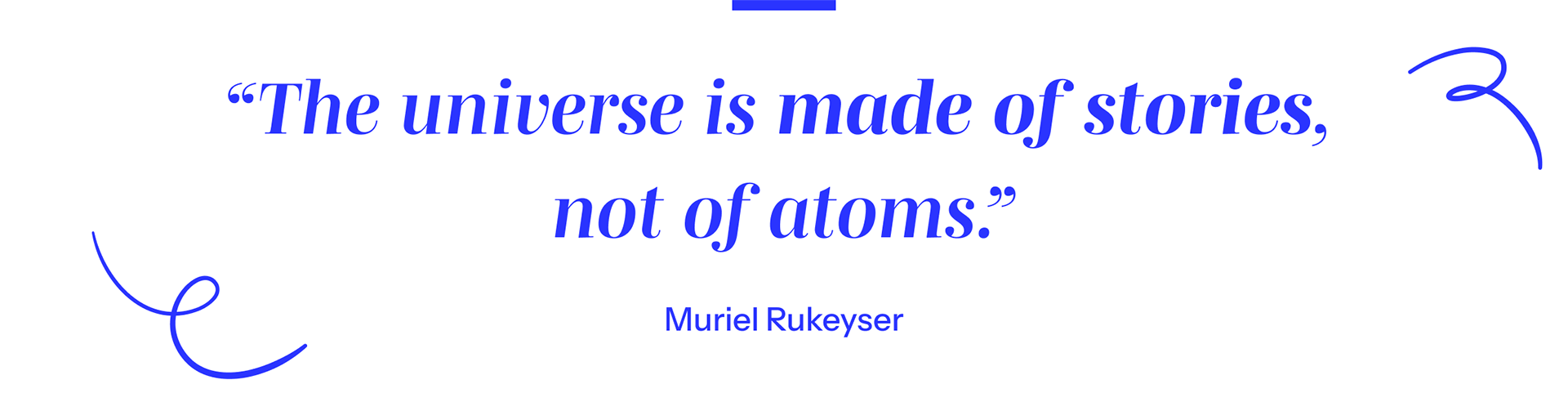
We don't just tell stories. We understand why they work.
Psychology taught us to read human behaviour beneath a story. The beliefs, the fears, the desires that determine how people feel, act and remember. Cinema taught us that narrative is a collective grammar. A perfect lab of conflict, trigger and resolution. Design taught us that every detail carries intention. All three live in everything we make.
Where they meet is where the work begins. A script that reads like a film. A brand that moves like a character. A campaign that lands like a memory, one that stays long after the screen goes dark, long after the page is turned, long after the moment has passed.
That intersection, between how stories are structured, why they move us, and how they look and feel, is where we live. It's where craft becomes connection.
Because every detail tells a story.
Where they meet is where the work begins. A script that reads like a film. A brand that moves like a character. A campaign that lands like a memory, one that stays long after the screen goes dark, long after the page is turned, long after the moment has passed.
That intersection, between how stories are structured, why they move us, and how they look and feel, is where we live. It's where craft becomes connection.
Because every detail tells a story.
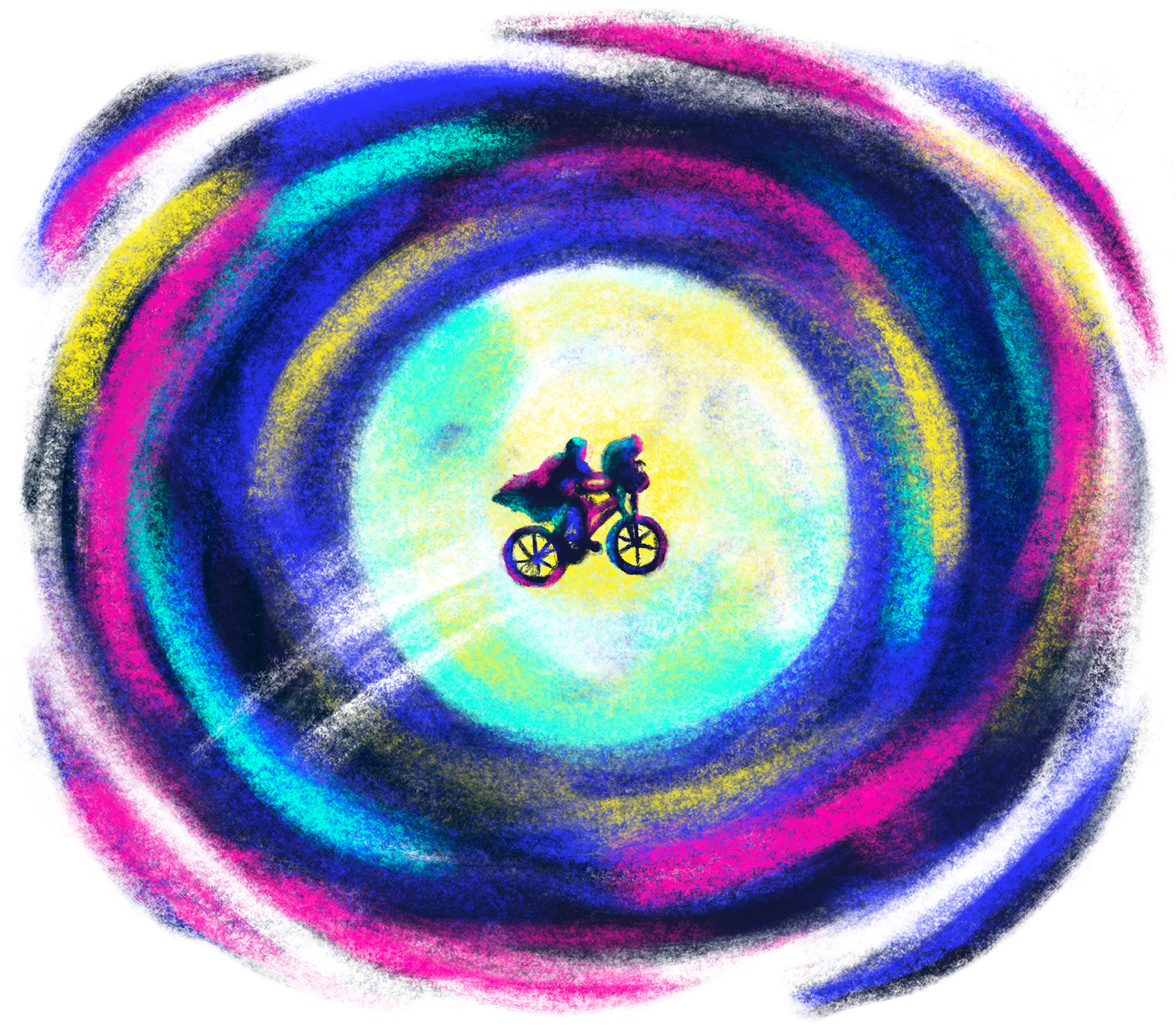

Nothing is neutral.
Every frame, every line, every silence shapes perception. Intentionality is what separates work that's simply seen from work that stays with people. It's what closes the gap between a mission and the people meant to carry it forward.
Working in animation changes the way you think about communication. You understand that nothing is accidental. Every frame is constructed with intention. Every shadow, every movement, every pause exists because someone chose it. That changes the way you see communication. You stop thinking about visuals as decoration and start understanding them as emotional architecture.
That's the discipline we bring to everything we build. Closing the distance between a story and the person meant to connect with it.
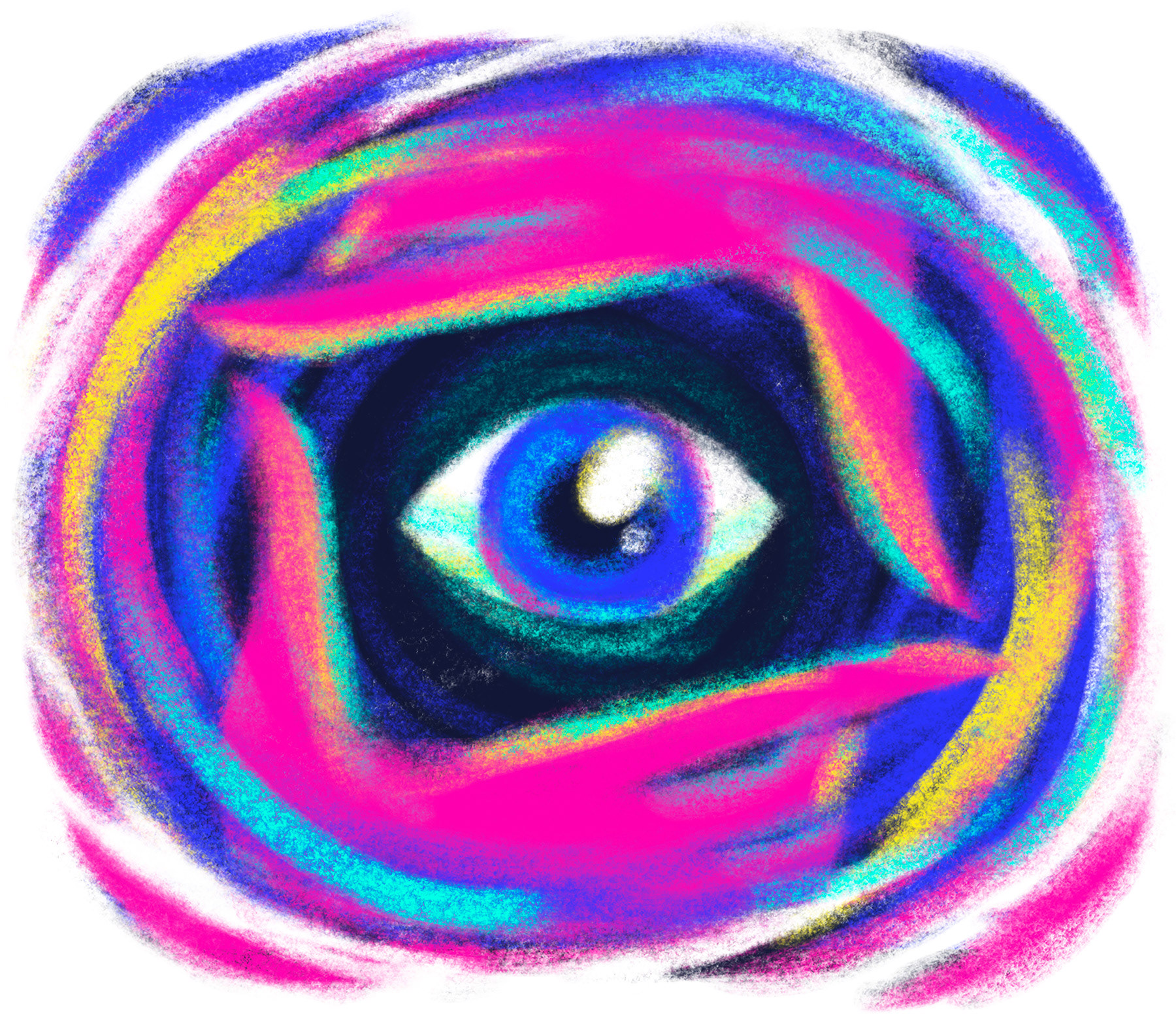
Impact without story is invisible.
The most important missions in the world deserve the most powerful stories. Not just to be heard. To be felt, remembered, and acted on. A story told with truth and precision doesn't just reach people. It changes how they see what comes next.
The most important work doesn't live in what already exists. It lives in what can still be imagined. Futures that do not yet exist. Communities people have never been part of. Change they cannot yet fully picture, but are being asked to believe in.
That work is only possible through stories that make belief possible. Stories powerful enough to close the distance between imagination and reality.
Every mission deserves that. That is where change begins.
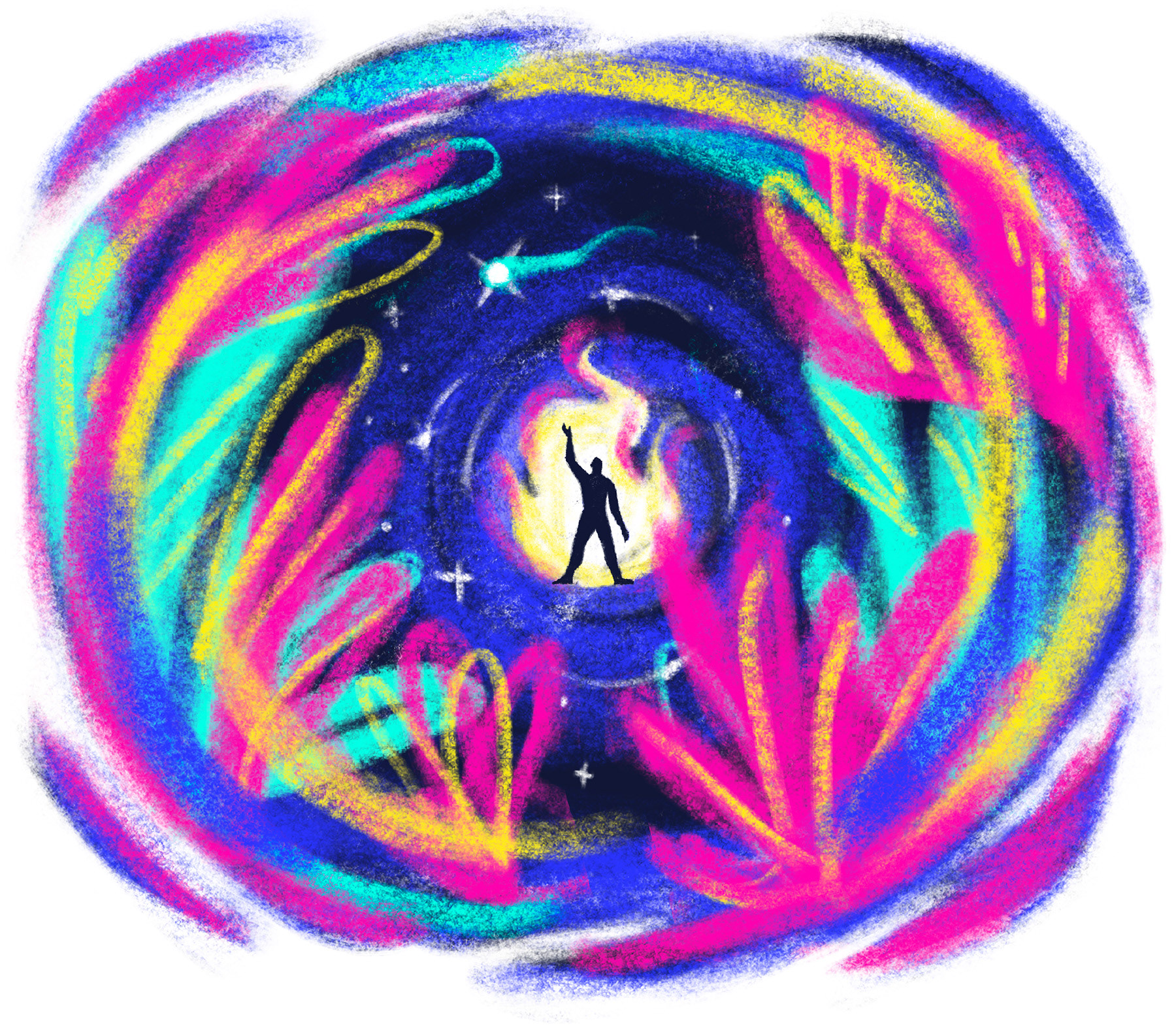
We do this because stories shape the way we see the world.
Not as a tagline. As a belief we've carried into every project we've made. Into every script, every frame, every movement, alongside organisations working through collective action toward a future worth believing in.
We don't start with the brief. We start with what's behind it.